
MSP conferences, trade shows, peer groups, and vendor events can be some of the largest expenses in your marketing budget.
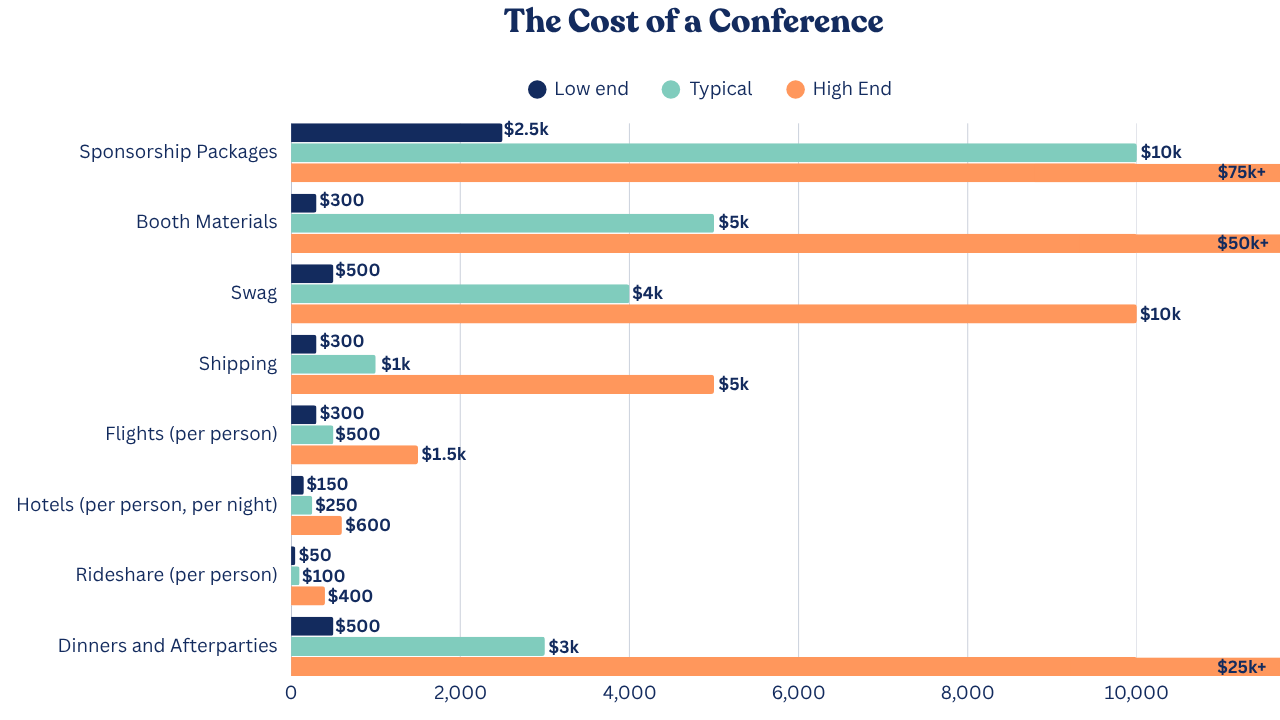
Between sponsorships, travel, booth costs, shipping, swag, hotels, meals, and entertainment, a single event can cost thousands—or even tens of thousands—of dollars before you've had a single meaningful conversation. The challenge isn't deciding whether events are expensive. The challenge is determining whether they're generating enough value to justify the investment.
The good news? Event success isn't random.
Organizations that consistently see results from MSP events typically follow a repeatable strategy before, during, and after every conference. Here's how to maximize event ROI and turn conference attendance into long-term business growth.
How Do You Measure Event ROI?
Before discussing tactics, it's important to define what success looks like.
Many companies evaluate events using vanity metrics such as badge scans, booth traffic, or giveaway participation. While those numbers may indicate visibility, they don't necessarily indicate business impact.
Instead, establish measurable goals before committing to an event:
- How much revenue would justify the investment?
- How many qualified opportunities would need to be generated?
- Which types of MSPs, partners, or decision-makers are you hoping to meet?
- Is the primary goal pipeline generation, partner recruitment, customer engagement, or brand awareness?
Not every event serves the same purpose. Some conferences are excellent for relationship-building but generate little immediate pipeline. Others are heavily sales-focused. Understanding the audience and expected outcomes before signing a sponsorship agreement can prevent costly mistakes.
Before the Event: Set Yourself Up for Success
1. Research the Event Audience
One of the biggest reasons companies fail to see ROI from events is because they attend the wrong events.
Before committing, evaluate:
- Attendee demographics
- Company sizes represented
- Decision-maker attendance
- Vendor-to-attendee ratio
- Historical reputation within the MSP community
The best event for your business isn't necessarily the largest event—it's the event where your ideal audience is most likely to be present.
2. Plan Earlier Than You Think You Need To
Last-minute event planning almost always costs more.
Early planning often results in:
- Lower sponsorship costs
- Better hotel rates
- Reduced shipping expenses
- More affordable airfare
- Higher-quality booth materials and swag
Creating an event timeline several months in advance can significantly reduce costs while reducing stress for your team.
3. Create a Memorable Experience
Most conference floors look remarkably similar.
Attendees may walk past dozens or even hundreds of vendors throughout a single event. If your booth, messaging, and experience feel interchangeable, you'll likely be forgotten by the end of the day.
You don't need the biggest booth to stand out. Instead, focus on creating something memorable:
- Interactive activities
- Community-driven experiences
- Unique giveaways
- Themed booth designs
- Social-media-friendly activations
The goal isn't to attract everyone. The goal is to create enough curiosity that the right people stop and engage.
During the Event: Focus on Relationships
1. Your Team Matters More Than Your Booth
A well-designed booth won't compensate for an unprepared team.
The MSP community is built on trust and relationships, which means every person representing your company should be capable of holding meaningful conversations.
Before the event, ensure your team understands:
- Core messaging
- Common objections
- Qualification questions
- Event goals
- Escalation procedures for technical questions
The most successful booth staff are approachable, engaged, and genuinely interested in helping attendees—not just collecting contact information.
2. Hold Daily Event Debriefs
Conference days move quickly.
Short team meetings each day can help capture important information before it's forgotten.
Review:
- Top opportunities
- Key partner conversations
- Follow-up priorities
- Customer meetings
- Action items
These check-ins help ensure valuable conversations don't disappear once the event ends.
3. Don't Limit Networking to Booth Hours
Some of the most valuable conversations at MSP events happen away from the exhibit hall.
Hallway conversations, dinners, networking events, educational sessions, and spontaneous meetups often create stronger relationships than booth interactions alone.
Whenever possible:
- Schedule meetings before the event begins
- Connect with existing customers
- Reach out to strategic prospects in advance
- Leave room in your schedule for unexpected opportunities
A single high-quality conversation can generate more value than dozens of brief booth interactions.
After the Event: Where ROI Is Actually Created
1. Follow Up Quickly
Many organizations invest heavily in events and then wait weeks before reaching out to attendees. By that point, the conference is no longer top of mind.
Effective follow-up should be:
- Fast
- Personalized
- Relevant
- Based on actual conversations
Reference specific discussions, challenges, and next steps whenever possible. Generic "great meeting you" emails rarely stand out.
2. Track Long-Term Performance
Event ROI rarely appears immediately. Some opportunities close within weeks, while others may take six to twenty-four months to generate revenue.
Rather than measuring success immediately after the event, track:
- Qualified meetings booked
- Meeting attendance rates
- Pipeline created
- Revenue influenced
- Partner opportunities generated
- Customer retention impact
Long-term tracking provides a much more accurate view of event performance.
3. Conduct a Post-Event Review
Every event provides valuable data for future planning.
Shortly after returning, gather feedback from your team and ask:
- What worked well?
- What didn't work?
- Which conversations generated the most value?
- Which investments produced the strongest return?
- What should we repeat next time?
Combining quantitative metrics with qualitative feedback helps improve future event strategies.
Frequently Asked Questions About MSP Event ROI
What is a good ROI for an MSP conference?
The answer depends on your goals. Some events are designed to generate pipeline, while others focus on partnerships, customer retention, or brand awareness. The most important factor is determining success criteria before attending.
Are badge scans a reliable measure of event success?
Not necessarily. A large number of badge scans may indicate traffic, but it does not guarantee qualified opportunities. High-quality conversations are typically more valuable than high-volume lead collection.
How long should companies track event ROI?
Most organizations should measure event impact for at least 12 months. Many conference relationships and opportunities take months to develop into revenue.
What is the biggest mistake companies make at conferences?
Failing to follow up effectively. The majority of event value is realized after the conference ends through relationship-building, nurturing, and ongoing conversations.
Events Are Still About People
Despite the rise of virtual meetings, AI tools, webinars, and digital marketing, events remain one of the most effective ways to build trust in the MSP channel.
The organizations that consistently win at conferences aren't always the ones with the largest budgets. They're the ones that prepare thoroughly, create memorable experiences, build authentic relationships, and follow up consistently.
The ultimate goal isn't collecting the most leads. It's building relationships that create long-term growth long after the event ends.
Try this event playbook to uncover a higher ROI at your next event.