Credential Compromise: What MSPs Need to Know
Learn what credential compromise is, how it happens, and how MSPs can protect clients with phishing simulation, detection, and monitoring tools.
Read moreLearn what credential compromise is, how it happens, and how MSPs can protect clients with phishing simulation, detection, and monitoring tools.
Read moreLearn how AI is transforming cybersecurity threats and defenses, and what MSPs need to know to protect clients from AI-driven phishing attacks.
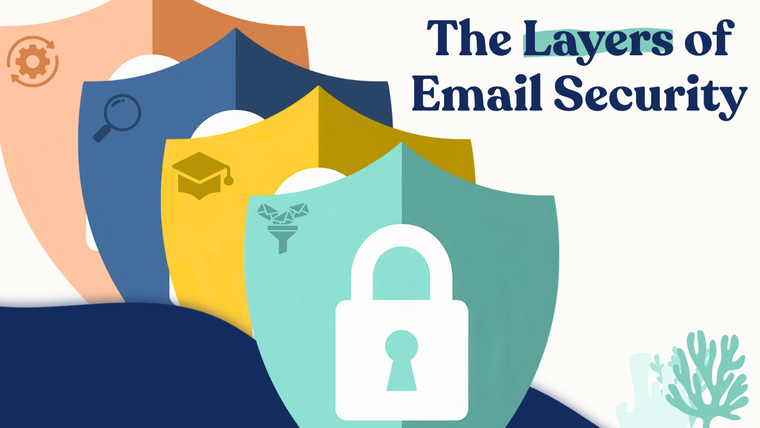
Read moreLearn how MSPs can build a layered email security strategy that combines technical defenses, security awareness, and phishing analysis at scale.
Read moreHow to prevent phishing attacks in business: 8 steps for MSPs and organizations, from email controls and training to simulations, triage, and response.
Read moreLearn which security awareness training metrics matter most and how MSPs can use reporting to prove ROI, reduce human risk, and improve client QBRs.
Read moreYour end-user's credentials were found on the dark web via dark web monitoring. Here's a step-by-step guide for what your MSP should do next.
Read moreLearn what phishing is, how modern phishing attacks work, the different types of phishing, and proven ways to protect your business from social engineering.
Read moreLearn how to keep up with the influx of reported emails without reducing the number of reported emails.
Read moreCan AI analyze reported phishing emails? Learn where AI excels, why severity ratings matter, and how MSPs can speed up phishing investigations.
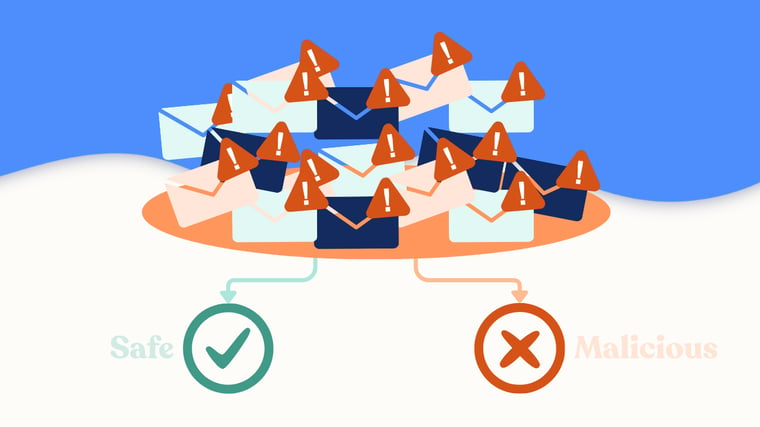
Read moreUse this guide to learn what to look for when analyzing reported phishing emails and what to do when you've determined if they're safe or malicious.
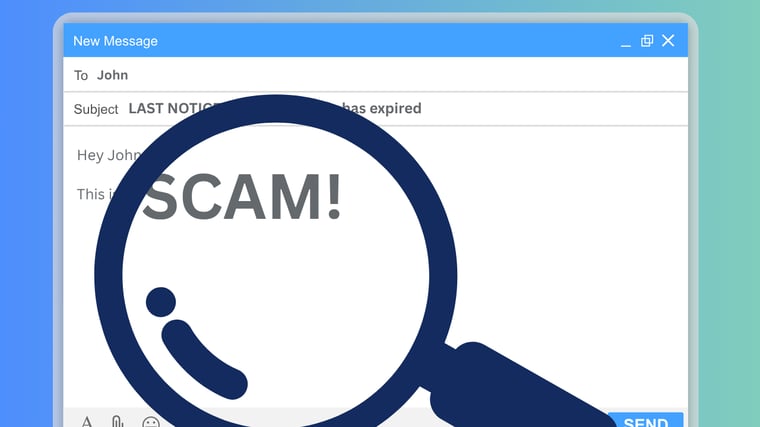
Read moreScams are smarter in 2026. Learn how to spot modern phishing attacks, recognize red flags, and protect your business from AI-driven social engineering.
Read moreThe faster MSPs can triage reported emails, the more secure their customers will be. So how can they make faster phishing analysis a reality?
Read more