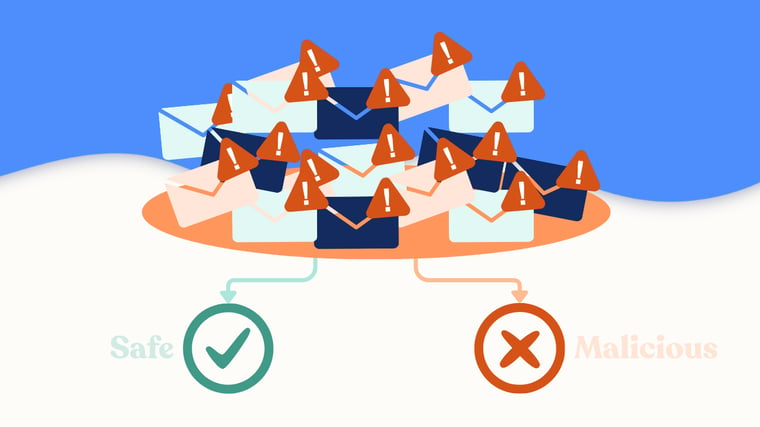
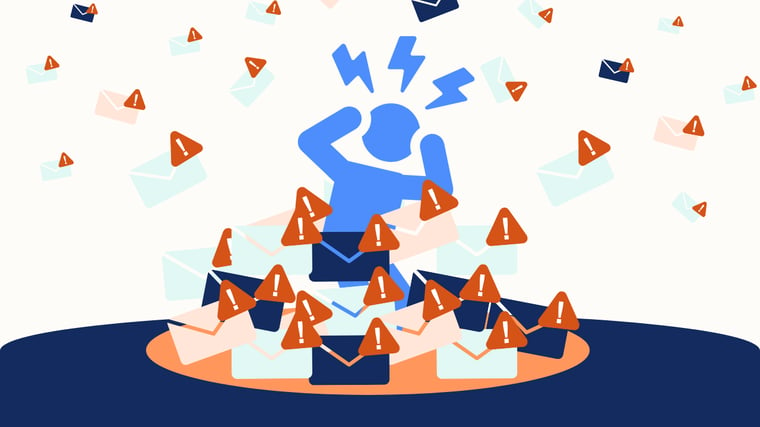
Why are your employees reporting so many emails? And what to do.
Learn how to keep up with the influx of reported emails without reducing the number of reported emails.
Read moreStay ahead of cyber threats with the latest insights and strategies from the Phin blog. Learn how to protect your business and stay secure online.
Learn how to keep up with the influx of reported emails without reducing the number of reported emails.
Read moreCan AI analyze reported phishing emails? Learn where AI excels, why severity ratings matter, and how MSPs can speed up phishing investigations.
Read moreThis webinar recap tells you how security awareness training builds lasting security habits, boosts engagement, and reduces human risk.
Read moreLearn what security awareness training is, why it's important, who needs it, how to measure its impact, and how to differentiate good vs bad training.
Read moreCMMC Phase 2 is suspended, not canceled. Learn what changed, what didn’t, and what MSPs should do to stay compliant and reduce cyber risk.
Read moreDiscover how MSPs increase revenue with Phin Security by reducing admin time, improving client retention, and scaling security awareness training.
Read moreLearn how to make security awareness training profitable with automation, scalable management, and reporting that proves client ROI.
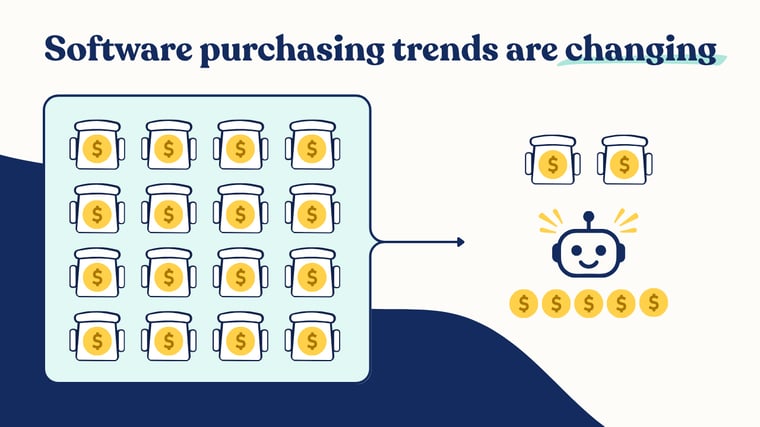
Read moreAI is changing how businesses buy software. Learn why MSPs must shift from selling access to delivering measurable outcomes in the AI era.
Read moreUse this guide to learn what to look for when analyzing reported phishing emails and what to do when you've determined if they're safe or malicious.
Read moreClicked a phishing email? Don’t panic. Learn the exact steps to take after a phishing attack, protect your accounts, and minimize potential damage.
Read moreWant better results from MSP conferences? Learn how to maximize event ROI before, during, and after every industry event.
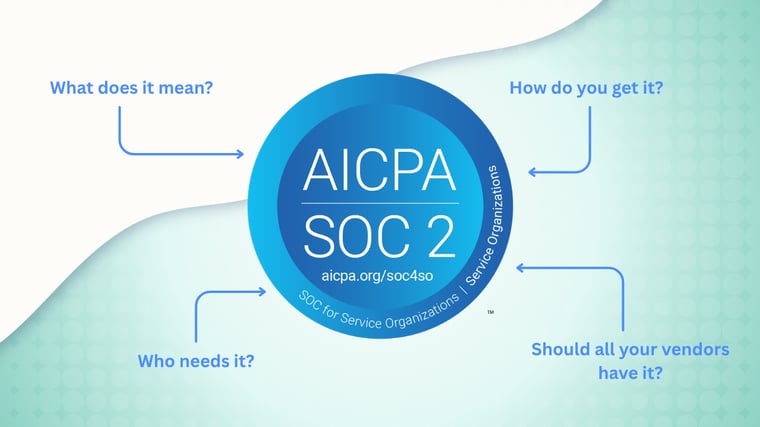
Read moreShould MSPs only work with vendors that have a SOC 2 report? Learn what SOC 2 is, how companies get audited, and if it should be a requirement.
Read more